
International Diversification: The Numbers Behind the Strategy
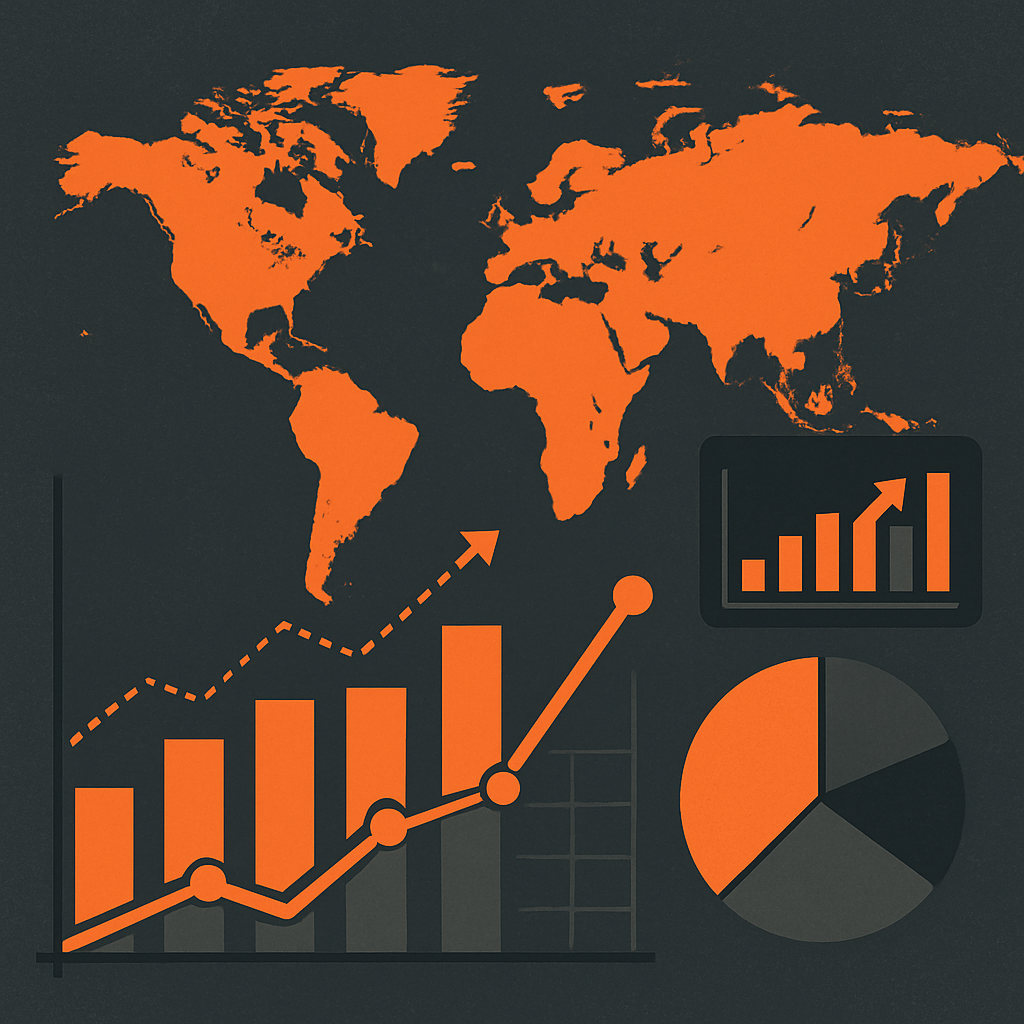
International Diversification: The Numbers Behind the Strategy
In today's interconnected global economy, the old adage "don't put all your eggs in one basket" holds truer than ever for investors. As markets evolve and geopolitical events reverberate worldwide, the strategy of international diversification presents itself not just as a prudent choice, but as a necessary component of a robust investment portfolio.
The Problem: Concentrated Risk
Investors often fall into the trap of home bias—over-allocating their portfolios to domestic stocks and bonds. This focus on local markets may feel intuitive and comfortable, yet it can expose investors to concentrated risks. These include economic downturns, political instability, or sector-specific crashes within their home country. Furthermore, domestic markets may offer limited growth opportunities compared to burgeoning international markets.
Deep Dive: The Numbers Behind International Diversification
The Concept of Diversification
Diversification is a risk management strategy that mixes a wide variety of investments within a portfolio. The rationale is simple: a diversified portfolio will, on average, yield higher returns and pose lower risk than any individual investment found within the portfolio. By spreading investments across various financial instruments, industries, and other categories, investors aim to reduce the impact of any one asset or risk.
Quantifying the Benefits
-
Reduced Volatility: Studies show that international diversification can significantly reduce the volatility of returns. By holding assets across countries, investors are less likely to see their entire portfolio affected by a single economic event.
-
Enhanced Returns: Historical data indicates that markets often perform differently from one another. While one country might be experiencing a recession, another could be thriving. By investing internationally, investors can capture growth opportunities in different parts of the world, potentially enhancing overall returns.
-
Currency Benefits: Diversifying internationally also means exposure to different currencies. While currency fluctuations can introduce risk, they can also offer opportunities. For example, a weakening domestic currency can increase the value of foreign investments when converted back to the home currency.
Quantitative Metrics
-
Correlation Coefficient: This metric measures the degree to which two securities move in relation to each other. A correlation less than one implies that the securities do not move in tandem, offering diversification benefits.
-
Sharpe Ratio: By looking at the risk-adjusted return, investors can gauge how well an international portfolio compensates for the risk taken, compared to a domestic portfolio.
Solution: Crafting a Diversified Portfolio with Data-Driven Insights
Utilizing Technology
Incorporating technology in portfolio management enhances the ability to make informed decisions. Tools like Sovereign Financial Tracking provide investors with real-time data and analytics, enabling them to track market trends and identify diversification opportunities.
Sovereign Sync: Harmonizing International Investments
Sovereign Sync is a groundbreaking tool that integrates data from global markets, allowing investors to synchronize their portfolios with international trends seamlessly. It provides insights into emerging markets, currency fluctuations, and geopolitical risks, offering a comprehensive overview that aids in making informed investment decisions.
Steps to Diversify
-
Assess Current Portfolio: Use data analytics tools to evaluate your current exposure to domestic and international markets.
-
Identify Gaps: Look for markets or sectors where your exposure is limited and research potential investment opportunities.
-
Implement Gradually: Start by allocating a small percentage of your portfolio to international assets and gradually increase as you become more comfortable.
-
Regular Monitoring: Continuously monitor your portfolio's performance, using tools like Sovereign Sync to adjust strategies as needed.
Key Takeaways
- International diversification helps mitigate risks associated with domestic market concentration.
- Quantitative metrics like correlation coefficients and Sharpe ratios are critical in assessing diversification benefits.
- Tools such as Sovereign Financial Tracking and Sovereign Sync offer data-driven insights to craft a diversified portfolio.
- Gradual implementation and regular monitoring are essential for successful international diversification.
Verdict
In an era of globalization, international diversification is not merely an option but a strategic necessity for investors seeking to optimize their portfolios. By leveraging data-driven approaches and state-of-the-art tools like Sovereign Sync, investors can enhance returns while mitigating risks across borders. As markets continue to evolve, those who embrace the numbers behind international diversification will be better positioned to navigate the complexities of the global investment landscape.
This blog post explores the intricacies of international diversification, using data-driven insights to underline its importance in modern investment strategies. It emphasizes the use of technology and quantitative metrics to optimize portfolios, ensuring investors can make informed decisions in a globalized market.