
Data Migration Patterns: Moving from Cloud to Local
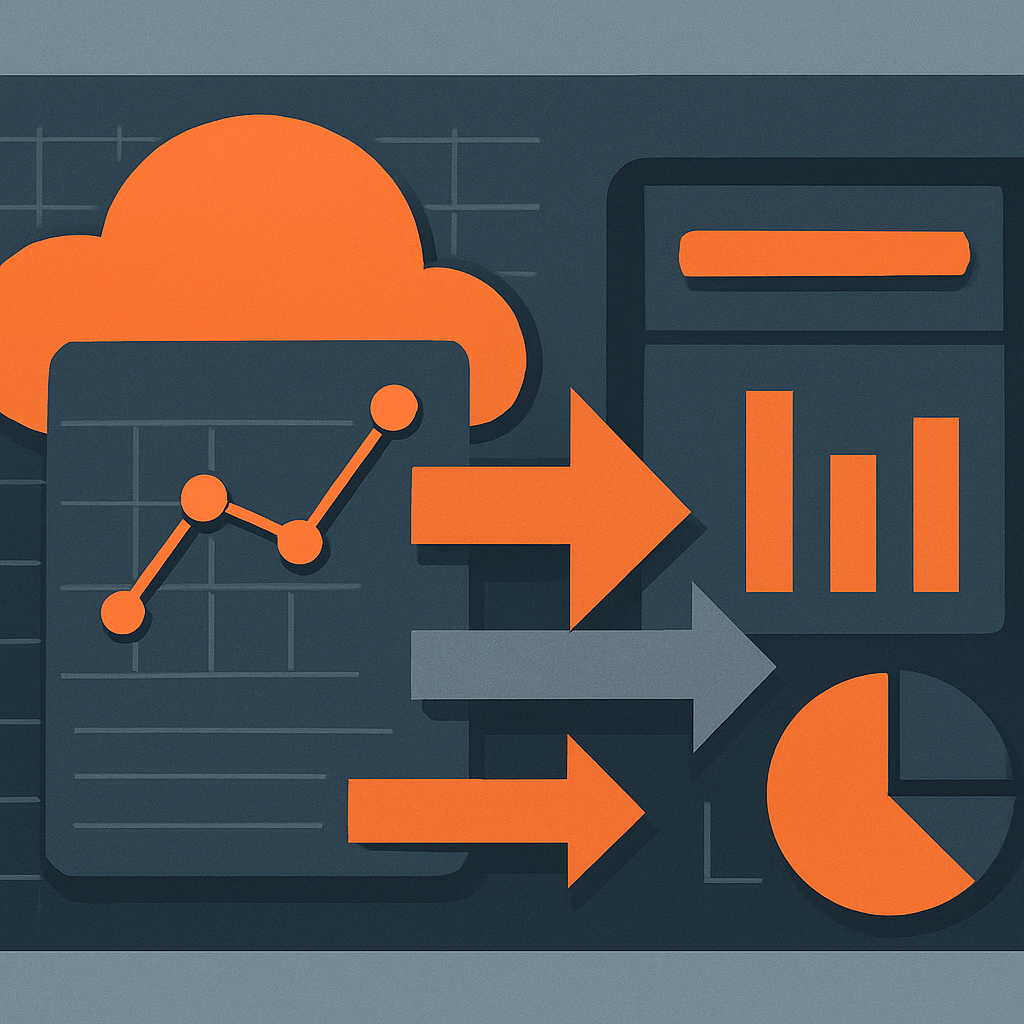
Data Migration Patterns: Moving from Cloud to Local
In today's rapidly evolving technological landscape, the shift from cloud-centric architectures to local-first solutions is gaining traction among developers and businesses alike. This trend is fueled by the need for greater control over data, improved performance, and enhanced privacy. As financial data becomes increasingly intricate and voluminous, understanding the nuances of data migration—specifically from cloud to local systems—has become essential for developers and CTOs.
The Problem: Navigating the Complexity of Cloud-to-Local Migration
While cloud computing has revolutionized data storage and accessibility, it isn't without its limitations. Issues such as latency, data sovereignty, and dependency on constant internet connectivity have prompted organizations to reconsider their data strategies. Financial institutions, in particular, face the critical challenge of ensuring that their data handling practices comply with stringent regulatory requirements, making local-first solutions more appealing. However, migrating data from the cloud to local environments presents its own set of challenges that developers must navigate.
Deep Dive: Understanding the Intricacies of Cloud-to-Local Migration
JSON: The Lingua Franca of Data Transfer
JSON (JavaScript Object Notation) has emerged as a ubiquitous format for data interchange due to its simplicity and readability. When migrating data from cloud services to local storage, JSON's structure makes it an ideal choice for serializing and deserializing data. However, developers must be wary of potential pitfalls such as data volume and performance implications.
Performance Considerations
The performance of JSON handling can be a bottleneck in data migration processes. JSON parsing can be computationally expensive, especially when dealing with large datasets. To mitigate performance issues, developers can leverage streaming parsers that process data incrementally, reducing memory overhead.
Local-First Approaches: Enhancing Control and Responsiveness
A local-first approach prioritizes storing data on local devices, with optional synchronization to the cloud. This model offers the dual benefits of improved performance and offline accessibility. By minimizing reliance on cloud infrastructure, organizations can achieve faster data retrieval and processing speeds, which are crucial for time-sensitive applications like financial tracking.
Developer Tools for Streamlining Migration
The developer ecosystem offers a variety of tools and libraries to facilitate cloud-to-local data migration. Libraries that optimize JSON parsing, database systems that efficiently handle local storage, and synchronization frameworks are all instrumental in ensuring a smooth transition. Tools such as Realm, Couchbase Lite, and SQLite are particularly valuable for developers aiming to implement robust local-first solutions.
Solution: Implementing a Seamless Transition Strategy
To successfully migrate data from cloud to local systems, developers should adopt a strategic approach that encompasses the following steps:
-
Assessment and Planning: Evaluate the existing cloud infrastructure and identify data sets that need to be migrated. Consider the specific requirements of financial data, such as security, integrity, and compliance.
-
Selection of Tools and Technologies: Based on the assessment, choose appropriate tools and libraries that align with your local-first strategy. Ensure that these tools support efficient JSON parsing and data synchronization.
-
Data Transformation and Serialization: Convert data into JSON format for seamless serialization between cloud and local environments. Pay attention to data types, structures, and potential loss of precision, especially for financial data.
-
Synchronization and Conflict Resolution: Implement a robust synchronization mechanism to ensure data consistency between cloud and local storage. Address potential data conflicts through intelligent conflict resolution strategies.
-
Testing and Validation: Conduct thorough testing to ensure data integrity and performance metrics are met. Validate the migration process by comparing local data with cloud data to detect discrepancies.
-
Deployment and Monitoring: Roll out the local-first solution in stages to minimize disruption. Continuously monitor performance and make adjustments as necessary to optimize data handling.
Key Takeaways: The Role of Sovereign Sync in Data Migration
- Cloud-to-local migration is driven by the need for improved performance, control, and compliance, particularly in the realm of financial data.
- JSON is a critical format for data interchange but requires careful handling to maintain performance.
- Local-first approaches enhance responsiveness and data sovereignty, reducing reliance on cloud connectivity.
- Developer tools such as streaming parsers and local databases are crucial for effective migration.
- Sovereign Sync plays a pivotal role in maintaining data consistency and integrity during the migration process.
Verdict: A Future-Ready Approach to Data Management
As organizations continue to grapple with the complexities of data management in an increasingly digital world, shifting from cloud-centric to local-first architectures presents a compelling solution. By leveraging the right tools and strategies, developers can ensure a seamless migration process that enhances performance, privacy, and control. For financial institutions, in particular, this shift is not merely advantageous—it is imperative to ensure compliance and safeguard sensitive information.
For more insights on managing financial data, explore our Sovereign Financial Tracking solutions.